The Molecular Foundry’s Industry Q&A series features conversations with company leaders and entrepreneurs who have leveraged our facility’s capabilities to accelerate their technological development and commercial success. These interviews highlight how access to advanced nanoscale characterization, synthesis, and fabrication tools—combined with expert scientific guidance—has helped businesses overcome critical R&D challenges, validate new technologies, and bring innovative products to market.

Can we pattern it? Turning high refractive index materials into high-impact devices
Keiko Munechika originally came to the Molecular Foundry as a post-doc, where she was recruited to work for aBeam Technologies, a company that delivers simulation and patterning solutions for semiconductor and nano-scale manufacturing. Her work at the Foundry enabled her to spin off the Nanofabrication and nano-Optics division of aBeam into its own company, HighRI Optics, where she is now the CEO. HighRI Optics makes materials with the highest refractive index available, and Keiko tells us how the company is transforming them into functional materials that go into high-performance technologies, like augmented reality glasses and micro optical structures necessary to power AI.

Turning Nobel-Winning Chemistry into a Successful 3D Printing Company
Raymond Weitekamp tells us the story behind how he founded his 3D printing company, polySpectra. He originally came to the Foundry uncertain if he could turn an idea he had in grad school into a full-fledged company. In the process of figuring that out, he started thinking like an entrepreneur with a “company-focused” rather than a “research-focused” mindset. Now, polySpectra makes strong, durable photopolymers that clients can use with 3D printers they already have in their facilities.

How Natron Energy Turned Prussian Blue Pigment into Safer, Longer-Lasting Batteries
Colin Wessells, founder of Natron Energy, takes a moment to talk to us about how his experience as an industry user at the Foundry influenced the growth of his company right from its very inception. He shares the fascinating chemistry behind the Prussian blue electrodes in Natron’s sodium batteries, and how what he learned at the Molecular Foundry led to the company’s expansion from just him as a sole proprietor to a 250-person company with facilities across the country.
Finding the Right Peptoids for the Job
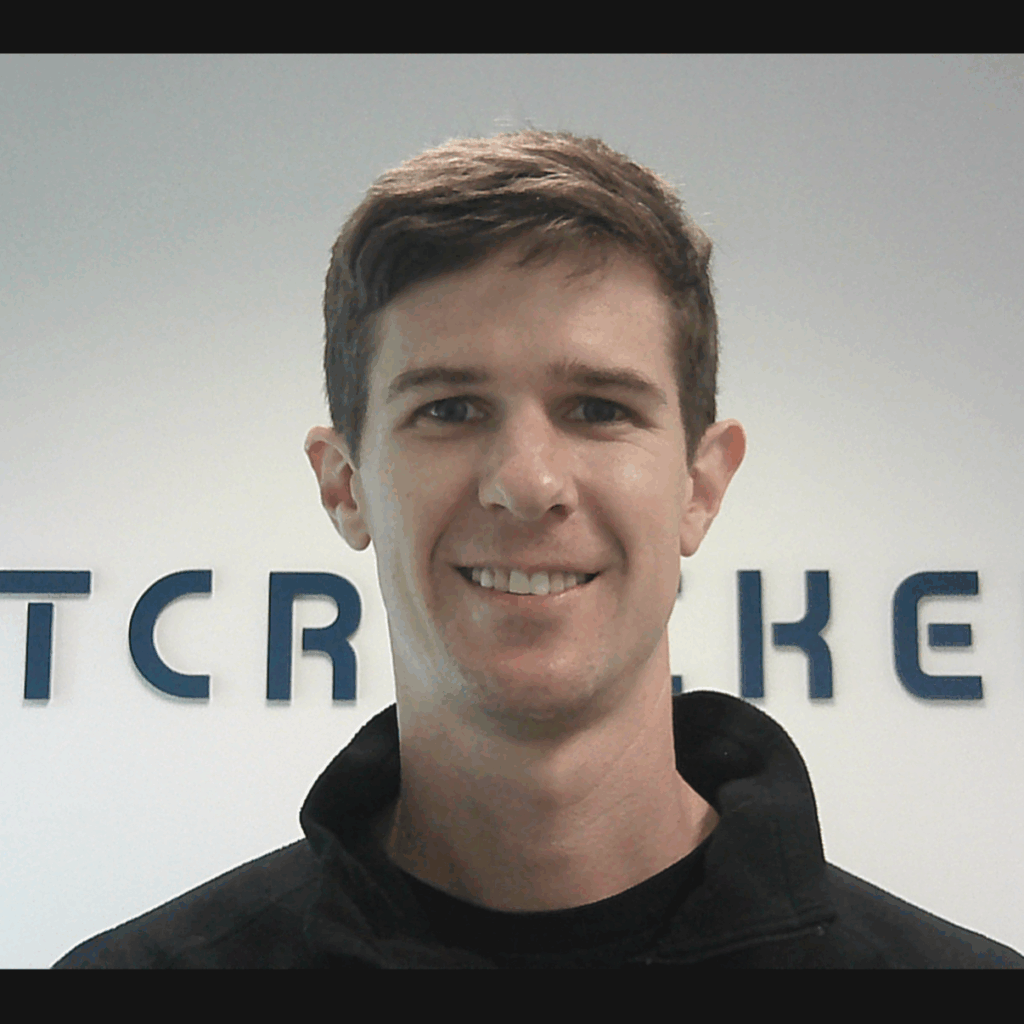
Colin McKinlay originally came to the Foundry on behalf of Nutcracker Therapeutics to learn more about peptoids—short amino acid chains similar to peptides but with expanded tunability that makes them ideal for drug delivery applications. At the Foundry, he worked with staff scientist and peptoid-pioneer Ron Zuckerman to find a way to use these molecules to deliver mRNA to specific targets in the body. Now Nutcracker Therapeutics has its own peptoid-based delivery platform which it uses to help enable personalized cancer therapeutics.

